Nutrient Density Toolkit

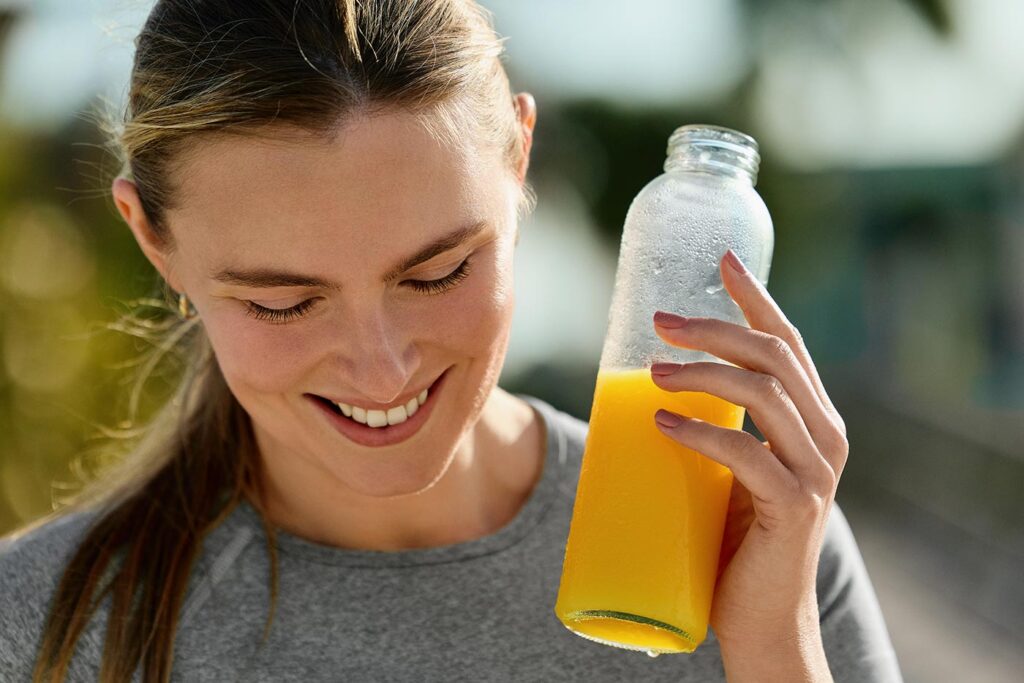
A woman outside in the sun on a nice day with a bottle of orange juice

Share :

Print

Nutrient-dense foods and beverages can help support overall diet quality and nutrient intake across life stages. 100% orange juice offers a range of essential vitamins, minerals and beneficial plant compounds in a familiar, convenient form.  

This toolkit brings together practical insights and resources to help you communicate the role of 100% orange juice in supporting diet quality and overall health. 

What’s included on this page:

Benefits at a Glance |  Resources  |  Recipes  |  Research

Benefits at a Glance

  • 100% orange juice is a nutrient-dense beverage made entirely from fruit, with no added sugar. The sugar present in 100% orange juice occurs naturally alongside vitamins, minerals and beneficial plant compounds. 
  • 100% orange juice consumption has been associated with higher overall diet quality and can help individuals meet daily fruit and nutrient recommendations, particularly when whole fruit is less accessible.5
  • 100% orange juice can complement whole fruit intake as part of a balanced eating pattern, and, according to research, it does not displace whole fruit consumption.6
  • Fortified 100% orange juice has calcium and vitamin D, supporting bone health, and may reduce the risk of osteoporosis when paired with a balanced diet and physical activity.7,8
  • Numerous research studies have shown that children who regularly drink 100% orange juice have higher intakes of key nutrients, higher quality diets and may have healthier lifestyle habits, such as greater physical activity levels, than children who do not drink 100% orange juice.9 Additionally, studies support that 100% orange juice consumption is not associated with weight gain in children.10

Resources

Explore materials designed to help communicate the nutrient density of 100% orange juice, from patient-ready handouts to practical tools that support nutrition education  

quick reference handout with nutrition highlights of 100% OJ, designed to support media outreach and content development.
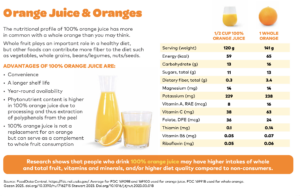
A patient-friendly handout comparing whole oranges and 100% OJ, highlighting their similar nutrient profiles and key health benefits. 
A blog post designed to help health professionals address common questions about juice and sugar with confidence.
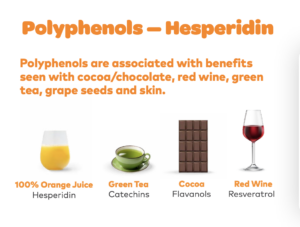
An educational handout exploring hesperidin, a unique citrus polyphenol, including its potential benefits for overall health.

Recipes

We’ve selected a few standout recipes that highlight 100% orange juice as a versatile, nutrient-dense ingredient from our Recipe Hub. These recipes show how 100% OJ pairs well with other nutritious foods to bring bright citrus flavor and support balanced eating throughout the day. 

Citrus Lovers Cottage Cheese Bowl 

A creamy, protein-rich bowl that combines 100% OJ with other tasty ingredients for a balanced snack or breakfast.
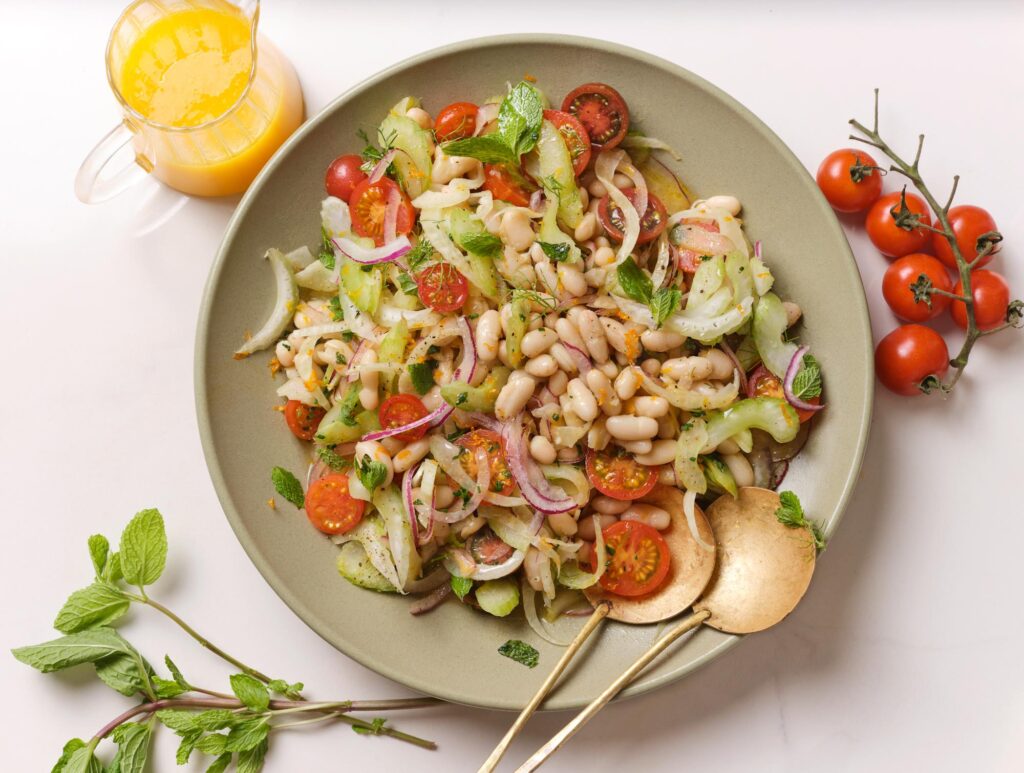
Florida Citrus White Bean Salad 

Beans, vegetables and herbs tossed in a citrus vinaigrette deliver a plant-forward side or light meal. 
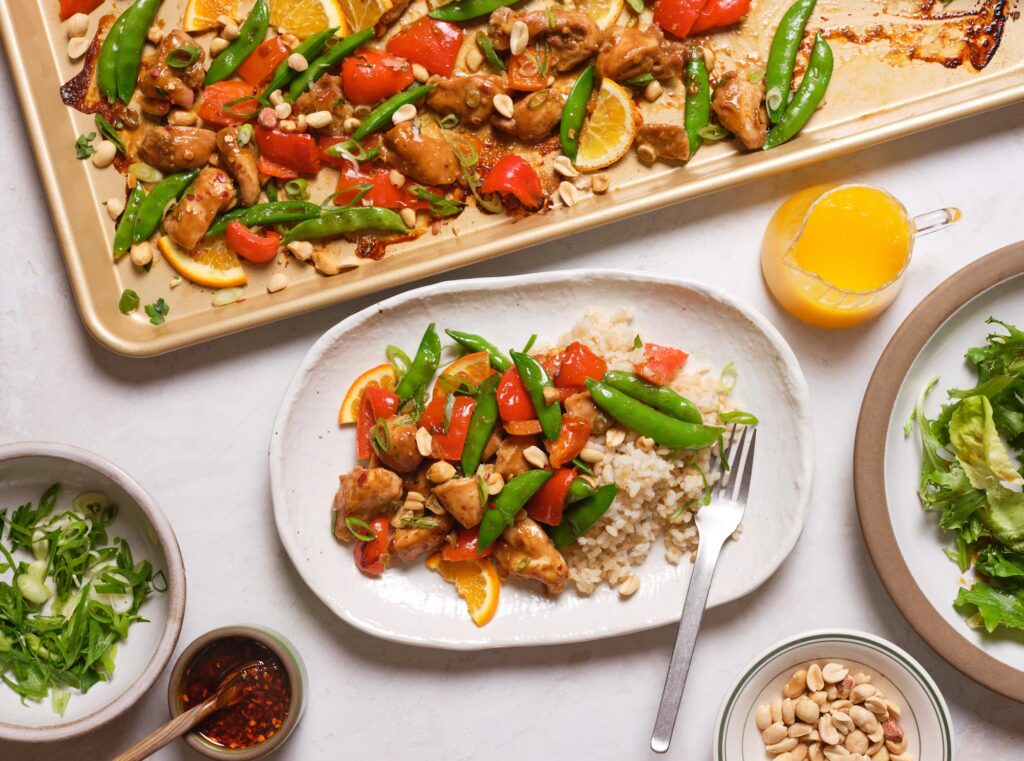
Sheet Pan Spicy Orange Kung Pao Chicken

This flavorful sheet pan meal with a citrusy orange sauce offers a balanced option for weeknight dinners.

Research

Research has explored the role of 100% fruit juice, including 100% orange juice, in diet quality and nutrient intake. Findings suggest consumption is associated with higher intakes of key nutrients and overall healthier dietary patterns. Studies also indicate it can help people meet fruit recommendations and address common nutrient gaps. As the evidence base continues to evolve, studies are further exploring how 100% orange juice fits into nutrient-dense dietary patterns across populations.  

References

  1. Vitamin C: fact sheet for health professionals. National Institutes of Health, Office of Dietary Supplements.UpdatedJuly 31, 2025.Accessed March 23, 2026. https://ods.od.nih.gov/factsheets/VitaminC-HealthProfessional/ 
  2. Potassium: fact sheet for health professionals. National Institutes of Health, Office of Dietary Supplements. UpdatedJune 2, 2022. Accessed March 23, 2026.  https://ods.od.nih.gov/factsheets/Potassium-HealthProfessional/  
  3. Folate: fact sheet for health professionals. National Institutes of Health, Office of Dietary Supplements. UpdatedNovember 30, 2022. March 23, 2026.https://ods.od.nih.gov/factsheets/Folate-HealthProfessional/  
  4. Rangel-Huerta, Oscar D et al. “Normal or High Polyphenol Concentration in Orange Juice Affects Antioxidant Activity, Blood Pressure, and Body Weight in Obese or Overweight Adults.” The Journal of nutrition vol. 145,8 (2015): 1808-16. doi:10.3945/jn.115.213660Yang, Meng et al. “Orange juice, a marker of diet quality, contributes to essential micronutrient and antioxidant intakes in the United States population.” Journal of nutrition education and behavior vol. 45,4 (2013): 340-8. doi:10.1016/j.jneb.2012.07.005 
  5. Gazan, Rozenn, Matthieu Maillot, and Adam Drewnowski. 2025. “Consumption of 100% Juice and Diluted 100% Juice Is Associated with Better Compliance with Dietary Guidelines for Americans: Analyses of NHANES 2017–2023″ Nutrients 17, no. 16: 2715. https://doi.org/10.3390/nu17162715 
  6. Calcium: fact sheet for health professionals. National Institutes of Health, Office of Dietary Supplements. UpdatedJuly 11, 2025. Accessed February 10, 2026. https://ods.od.nih.gov/factsheets/calcium-HealthProfessional/  
  7. Vitamin D: fact sheet for health professionals. National Institutes of Health, Office of Dietary Supplements. UpdatedJune 27, 2025. Accessed February 10, 2026. https://ods.od.nih.gov/factsheets/VitaminD-HealthProfessional/  
  8. Benton, David, and Hayley A Young. “Role of fruit juice in achieving the 5-a-day recommendation for fruit and vegetable intake.” Nutrition reviews vol. 77,11 (2019): 829-843. doi:10.1093/nutrit/nuz031 
  9. O’Neil, Carol E et al. “One hundred percent orange juice consumption is associated with better diet quality, improved nutrient adequacy, and no increased risk for overweight/obesity in children.” Nutrition research (New York, N.Y.) vol. 31,9 (2011): 673-82. doi:10.1016/j.nutres.2011.09.002 

Share :

Print